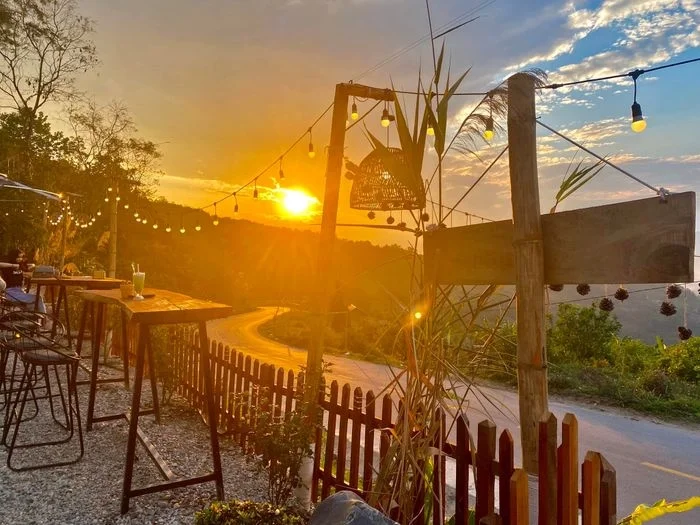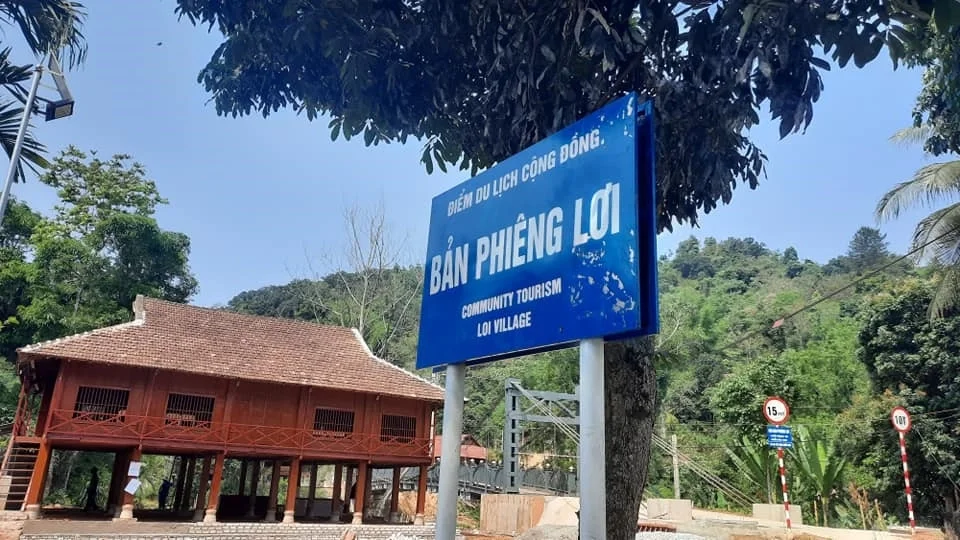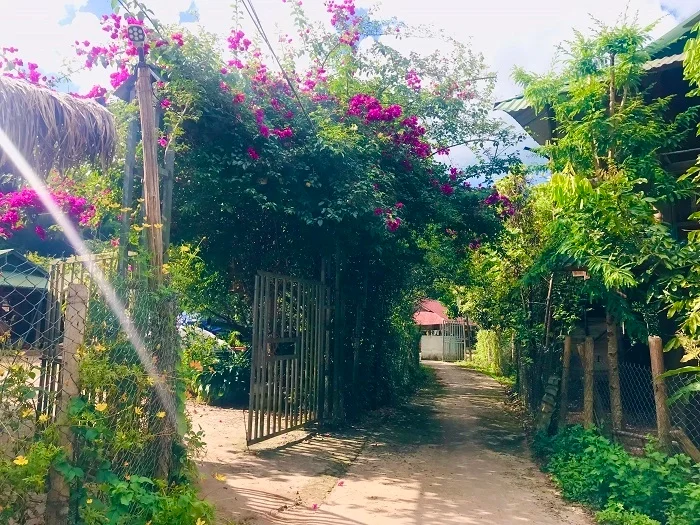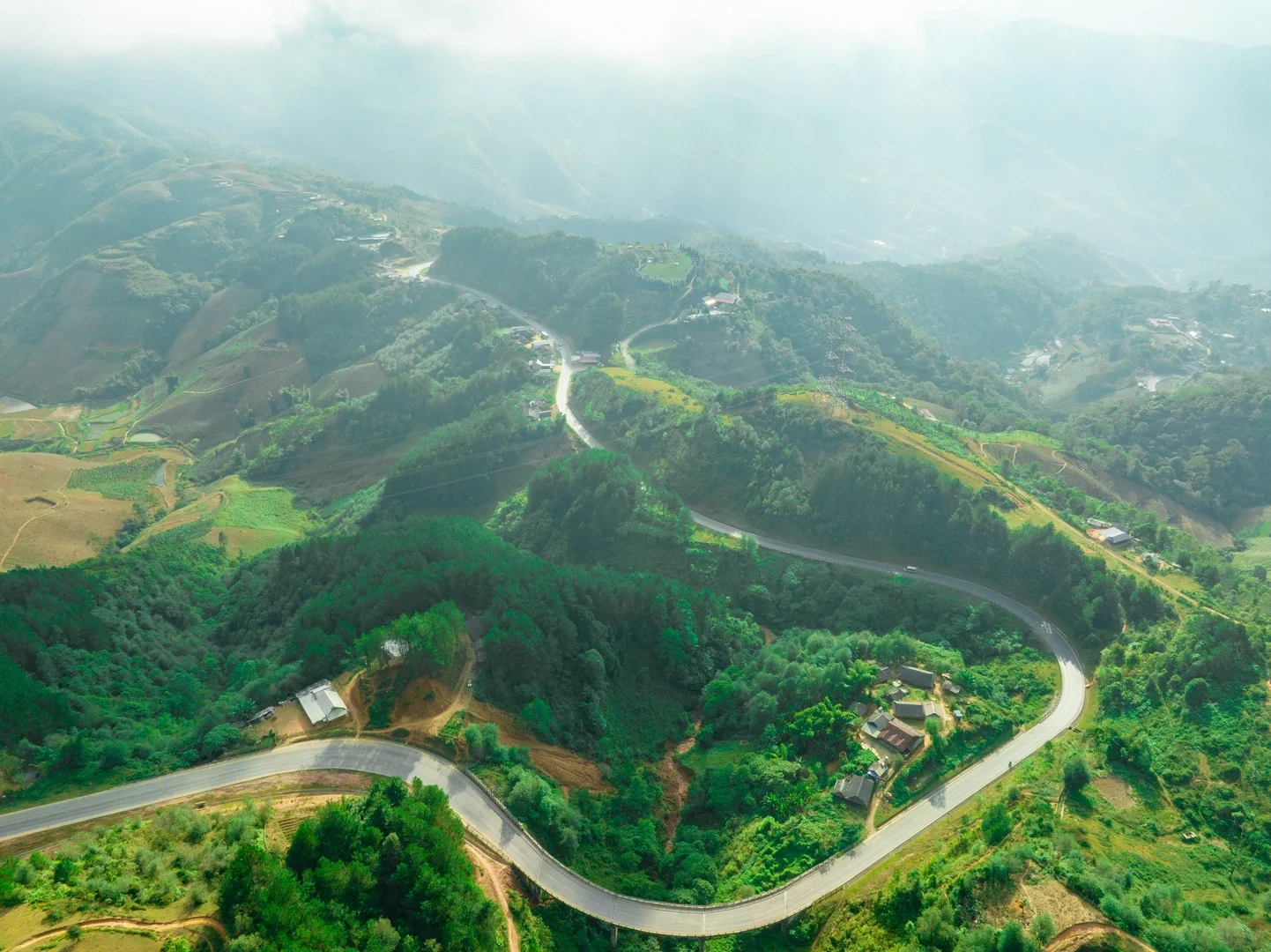





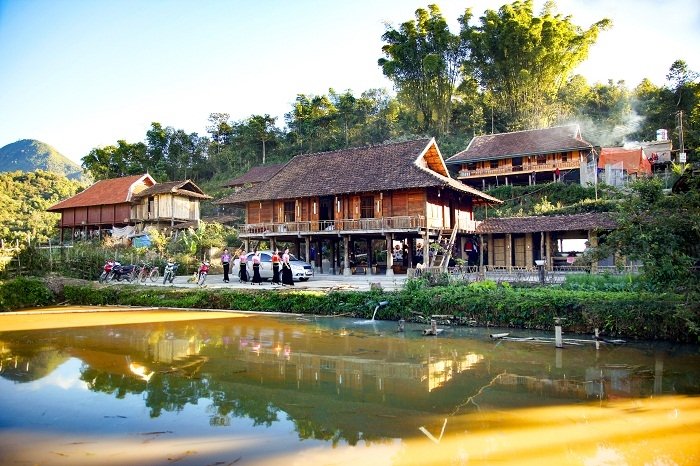


Che Căn is one of the few villages that existed before 1954. The original name of "Che Căn" was "Che Cẳn," meaning to protect the people from foreign invaders. To reach Che Căn village, visitors will travel along winding roads bordering Pá Khoang Lake. The feeling of walking through lush green protected forests with fresh, peaceful air will surely make you feel refreshed and close to nature. Especially, visitors will have the opportunity to immerse themselves in the lives of the Khơ-mú, Thái, Mông, and other ethnic communities, experiencing things that are truly different from the crowded, noisy, and hot city life.
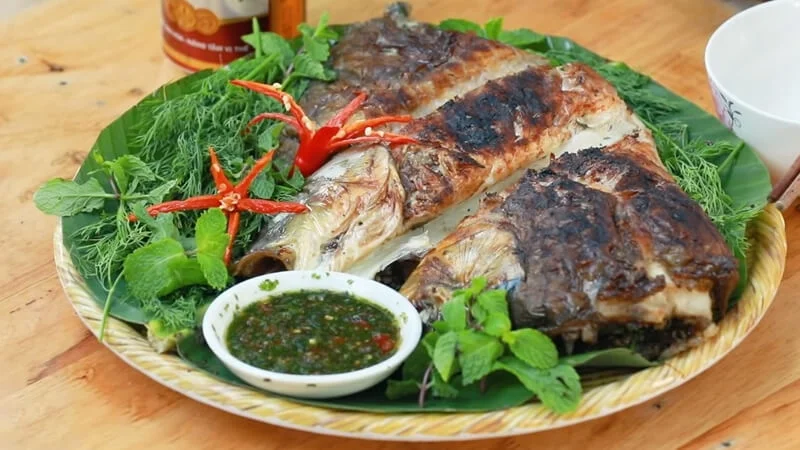
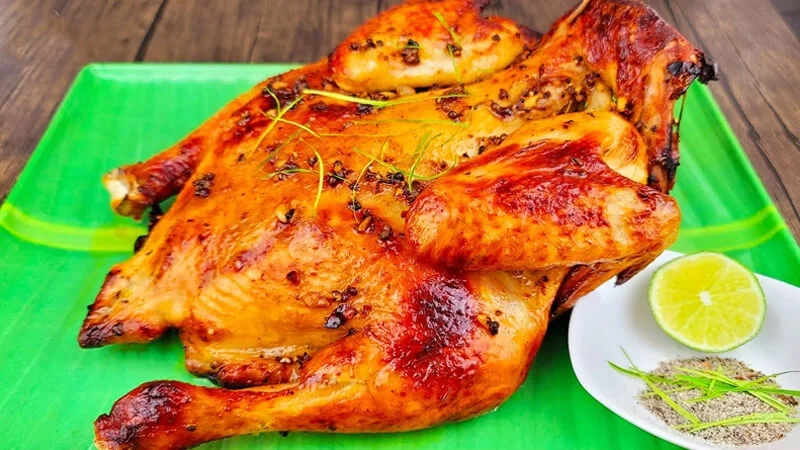
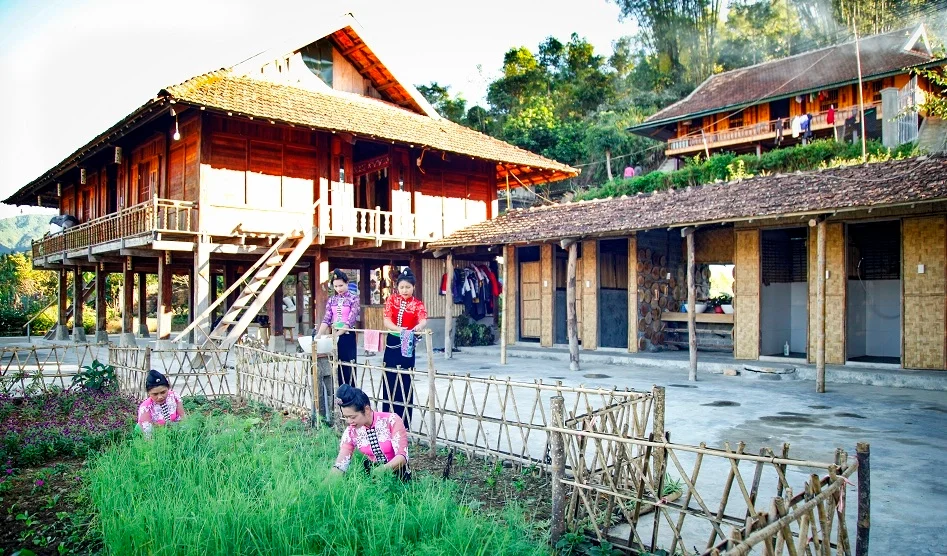
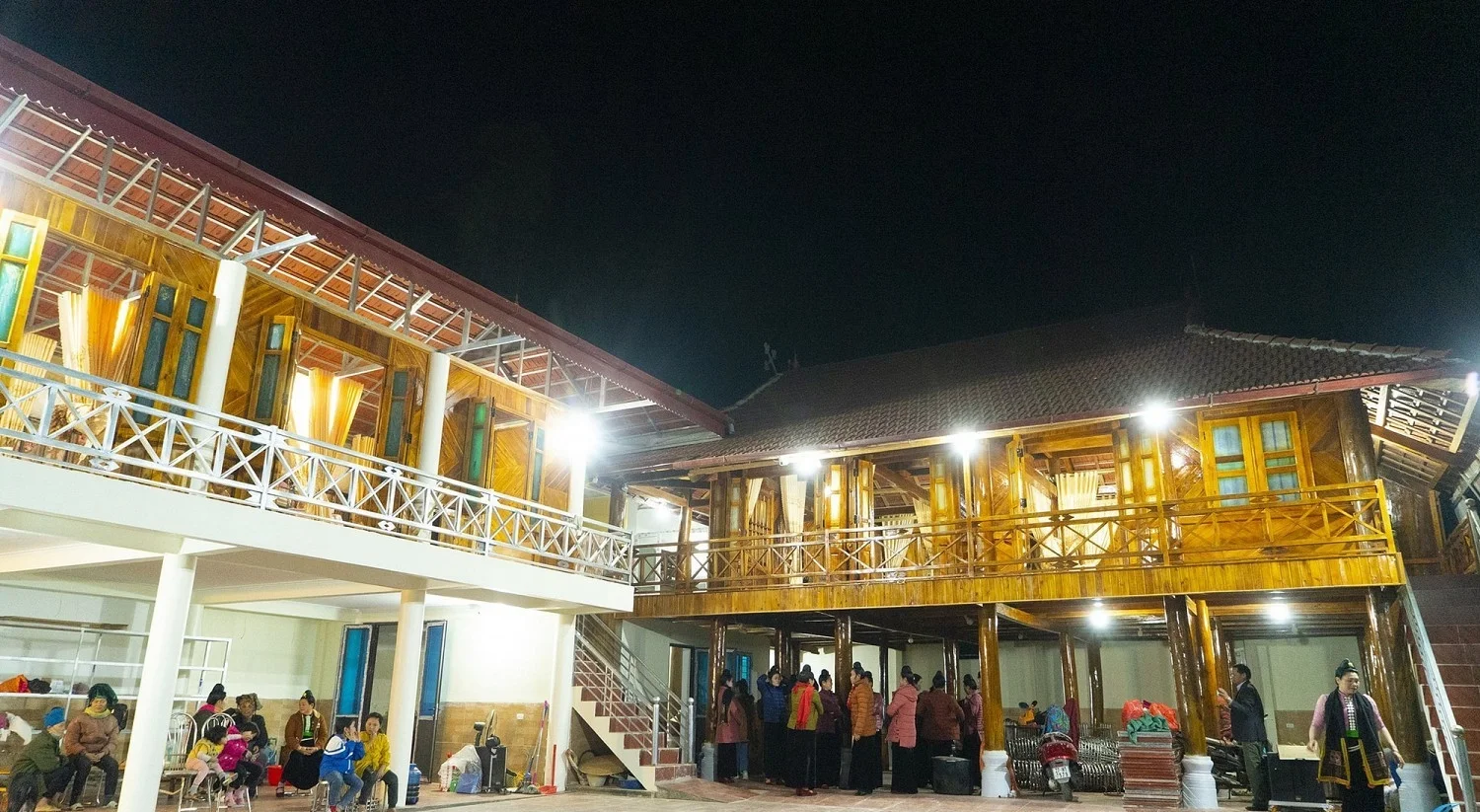
In Che Can, visitors can learn about and explore the traditional stilt house architecture of the Black Thai people, their clothing, beliefs, festivals, and traditional crafts such as brocade weaving, basket weaving, blacksmithing, carpentry, and traditional musical instrument making. Admire the image of a Thai girl beside a stilt house that embodies the essence of Northwest Vietnam, and then enjoy ethnic dishes prepared by the skillful hands of those born and raised in the village. Fragrant sticky rice with plump grains, grilled fish (Pa pỉnh tộp) that is both sweet and firm; grilled skewers with skin that are not only crispy but also flavorful and not greasy; and sausages whose taste you certainly won't find anywhere else in Northwest Vietnam…
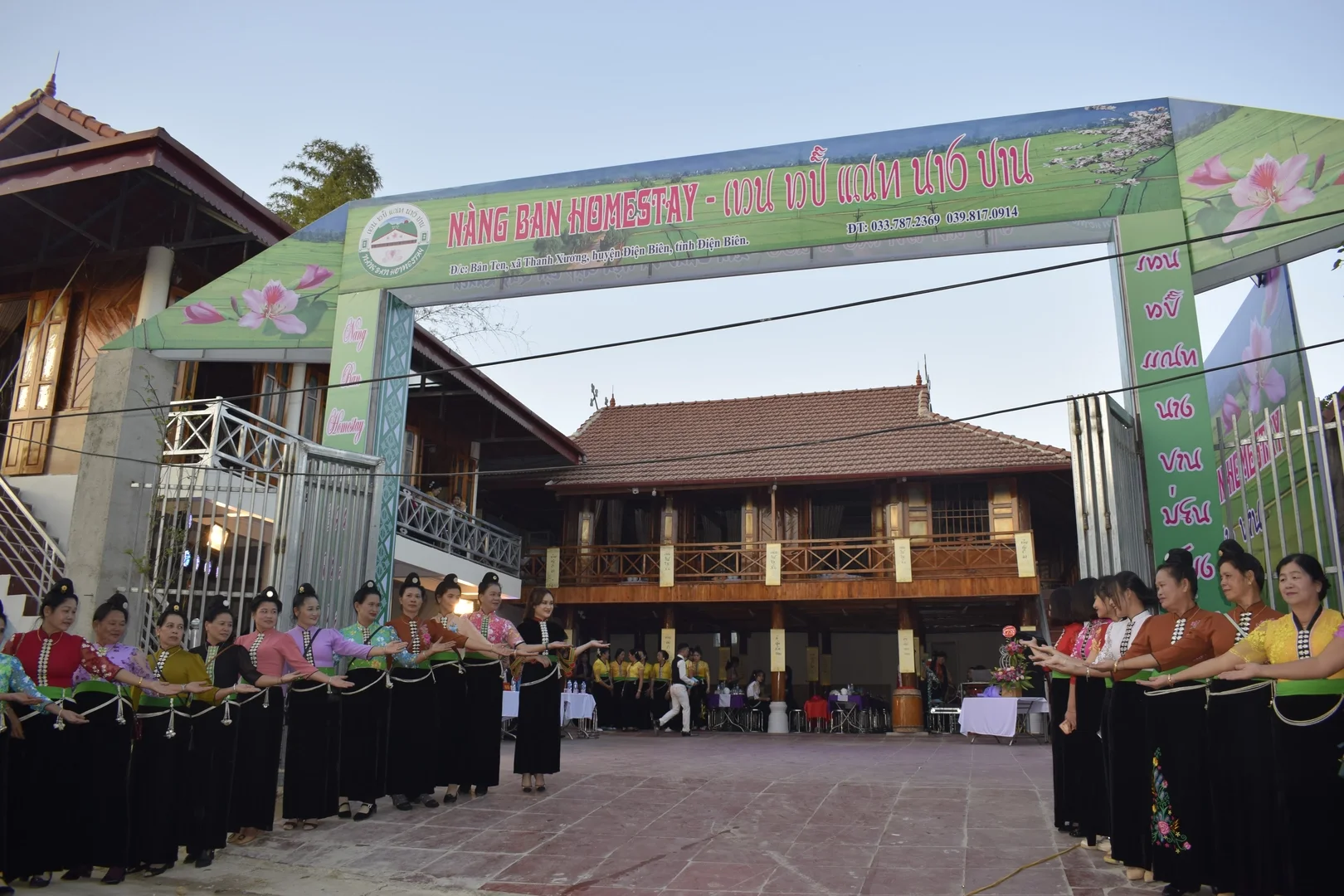
After enjoying the food, visitors will find it very interesting to participate in cultural exchange activities such as listening to Thai folk songs, watching Xoe dances and Sap dances, and playing traditional folk games with the local people.
And then, just imagining the scene of tiny people amidst the vast terraced rice fields, precariously perched among the golden rice paddies during harvest season, or the feeling of seeing the white Ban flowers blooming in a corner of the Northwest mountains and forests, those who love travel, nature, and simple, profound, and peaceful things will surely find it hard to resist visiting this place again.
Share

A+
A-