




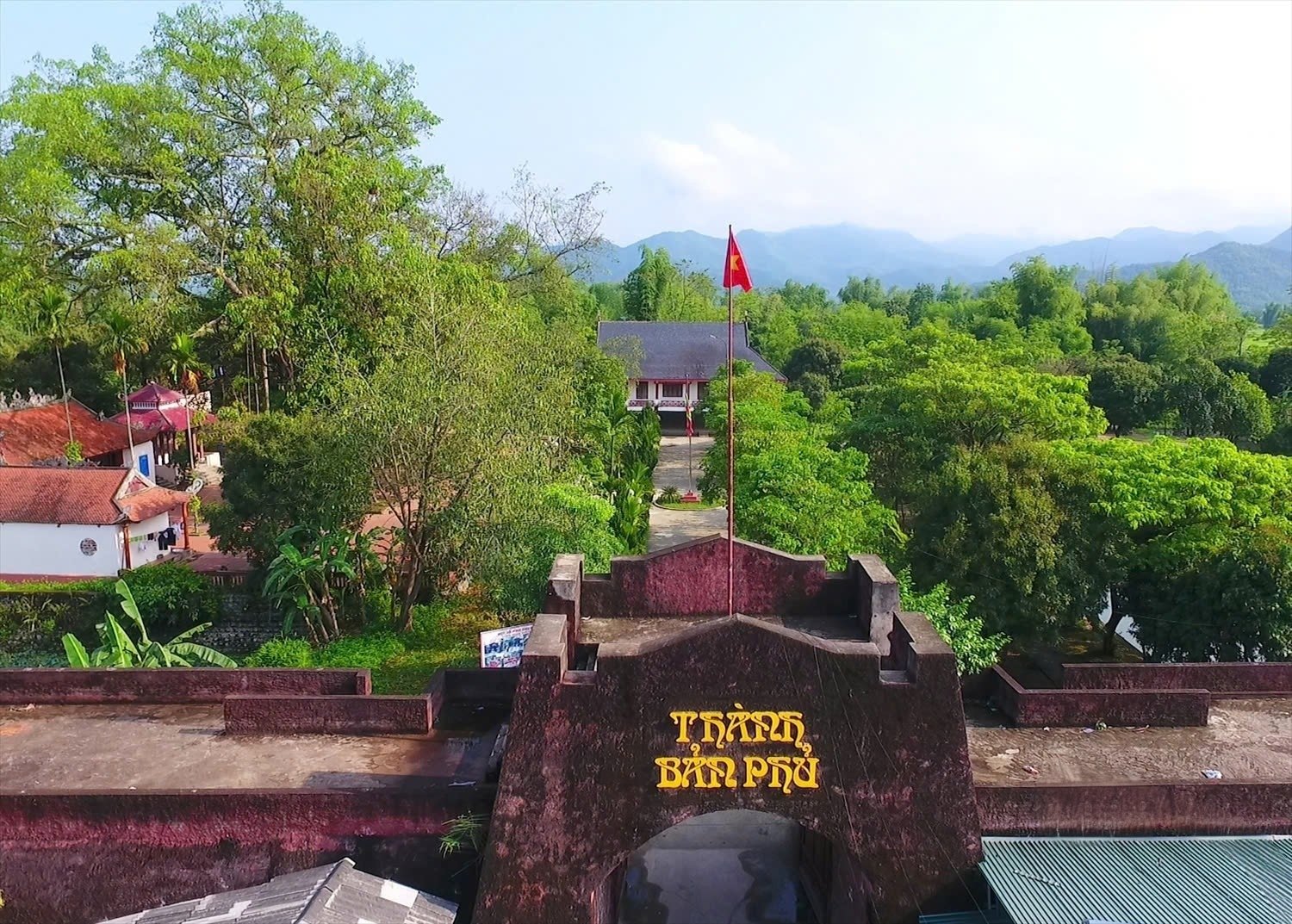


Ban Phu Citadel is a typical historical and cultural relic of Dien Bien province, associated with the uprising led by Hoang Cong Chat and the struggle to protect the Northwest region in the 18th century (from 1739 to 1769). Ban Phu Citadel (also known as Chieng Le Citadel) was built from 1758 to 1762 on a large scale, based on the natural terrain, with a shape almost like a pentagon, consisting of two main areas: the inner citadel and the outer citadel. The inner citadel was the central area, the residence and workplace of leader Hoang Cong Chat and his generals; the outer citadel was where the troops were stationed, warehouses were located, and auxiliary structures were built to support military operations. Although some parts are no longer in their original state due to historical changes and the effects of time, the remaining traces clearly reflect the scale, structure, and value of a special military structure in history.
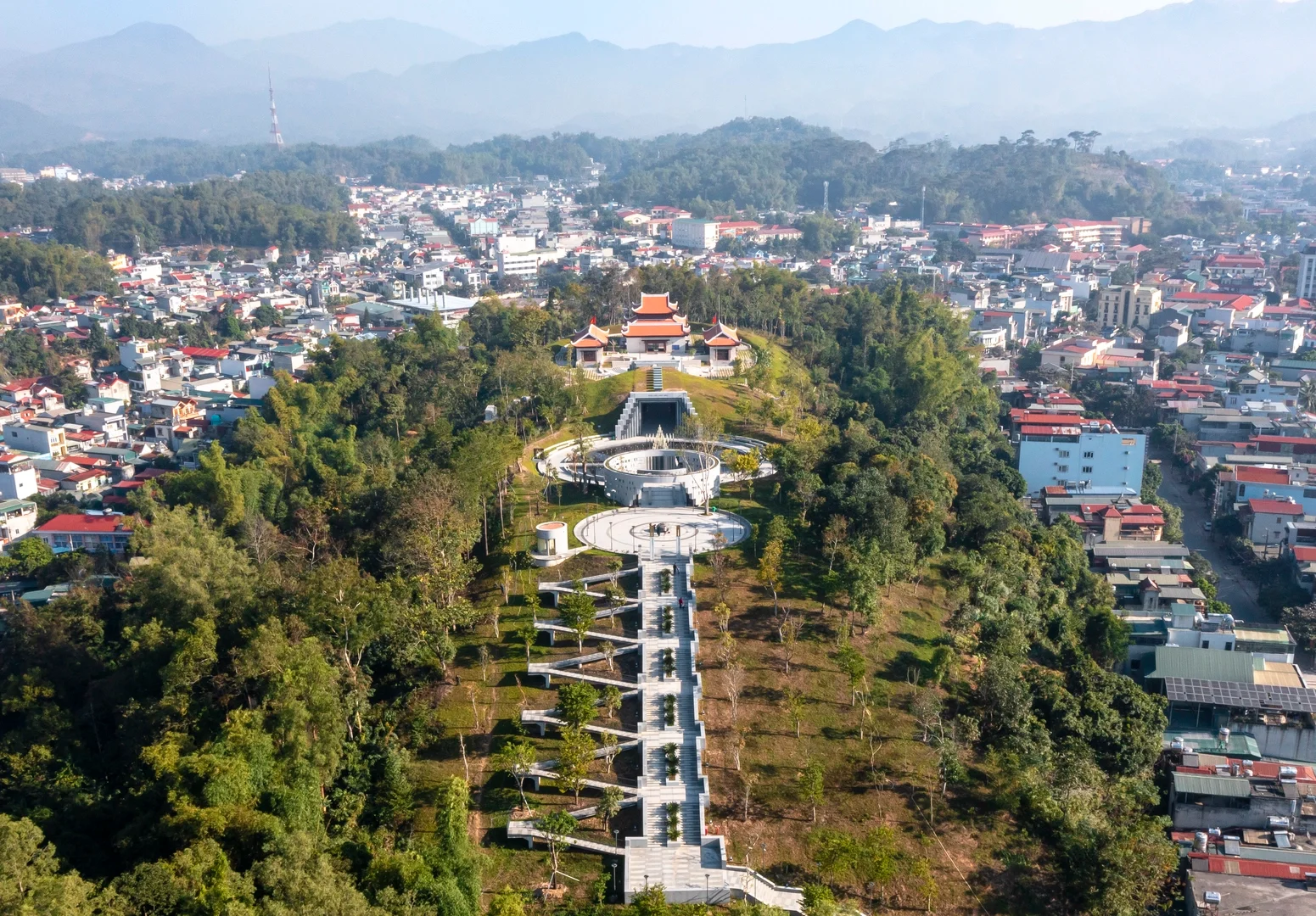
After the death of leader Hoang Cong Chat, to commemorate his contributions and those of his generals such as General Ngai and General Khanh, the local people built the Hoang Cong Chat Temple on the site of the inner citadel. This is a spiritual landmark of significant importance to the people of Dien Bien province. The temple is built in traditional architecture, with a solemn atmosphere, and houses many valuable cultural and historical artifacts and religious objects. The site's grounds are spacious and harmonious, with a system of trees, courtyards, ponds, and auxiliary facilities serving tourism and community cultural activities.
The site's space harmoniously combines natural elements with cultural and historical values, creating favorable conditions for tourists to visit, sightsee, experience, and learn about the cultural and religious life of the highlands. Furthermore, the site regularly hosts festivals, incense offerings, and community cultural activities, contributing to the preservation and promotion of traditional cultural values, adding appeal to tourism products, meeting the needs of spiritual tourism, and contributing to the education of patriotic traditions, fostering national pride, and raising awareness of preserving cultural heritage.
The Bản Phủ Citadel site was classified as a National Historical and Cultural Monument by the Ministry of Culture and Information (now the Ministry of Culture, Sports and Tourism) according to Decision No. 10/QD-VHTT dated February 9, 1981. This is an important historical testament, vividly reflecting the patriotic spirit, the unwavering fighting will, and the strength of unity among ethnic groups in protecting the border regions of the Fatherland. It is a typical example of the patriotic spirit, the unwavering fighting will, and the strength of unity among ethnic groups in the cause of protecting the Fatherland's borders. This is an important foundation for promoting the value of historical relics in conjunction with sustainable tourism development.
The Hoang Cong Chat Temple Festival, held within the grounds of the Ban Phu Citadel historical site, is listed as a National Intangible Cultural Heritage under Decision No. 1877/QD-BVHTTDL dated June 8, 2015, and is held annually on the 24th and 25th of the second lunar month, attracting a large number of people and tourists. The festival contributes to preserving and promoting traditional cultural identity, educating about history, fostering national pride; and simultaneously creating a distinctive cultural and tourism product, enhancing the attractiveness of the destination, thereby affirming its value and development potential, and serving as an important basis for evaluating and recognizing the local tourist destination.
Share

A+
A-